
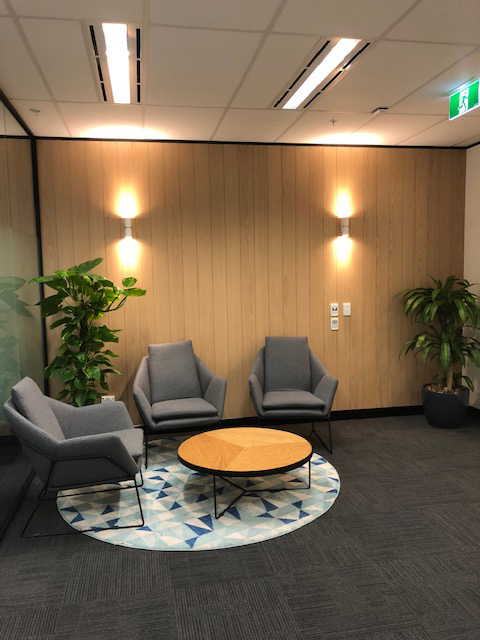
Cat A vs Cat B Fitout Explained for Tenants and Landlords
If you are leasing or leasing out commercial office space in Sydney, two terms come up again and again: Category A and Category B fitout. They sound technical, but the idea behind them is simple, and understanding the difference can save you money, time and a fair few disagreements down the track.
Whether you are a tenant weighing up a new space or a landlord preparing a floor for lease, here is what Cat A and Cat B actually mean, who usually pays for each, and how it all fits into your lease.
What does a Cat A fitout?
A Category A fitout is the base level of finish a landlord provides to make a space usable, but not yet personalised. Think of it as a functional blank canvas. Everything works, but nothing has been tailored to a specific business.
A typical Cat A fitout includes finished floors, walls and ceilings, basic lighting, air conditioning and mechanical services, fire safety systems, and often raised floors and painted surfaces. It brings the space up to a consistent, lettable standard so any tenant can walk in and picture their business there.
What a Cat A fitout does not include is the layout, branding or purpose that makes an office feel like yours. There are no meeting rooms, no reception, no kitchen tailored to your team, and no design that reflects your brand. That comes next.
What does a Cat B fitout?
A Category B fitout is where the space becomes a real, working office for a specific business. This is the stage that turns the blank canvas into somewhere your team actually wants to come to work.
A Cat B fitout usually covers the office layout and partitioning, meeting rooms and collaboration areas, reception and breakout spaces, kitchens and staff amenities, custom joinery and furniture, branding and interior design, and specialist requirements like extra data points, acoustic treatment or bespoke lighting.
In other words, Cat A makes the space usable. Cat B makes it yours.
Who pays for what?
This is the question that matters most, and the answer depends on your lease.
As a general rule, the landlord delivers and pays for the Cat A fitout, since it prepares the space to be leased to any tenant. The tenant is then responsible for the Cat B fitout, because it is built specifically around their business.
That said, landlords often contribute to the Cat B fitout through a fitout incentive or contribution, especially in a competitive leasing market. This can take the form of a cash contribution, a rent-free period or a landlord-funded works package. It is one of the most negotiable parts of any commercial lease, so it is always worth discussing before you sign.
Because the numbers can be significant, both tenants and landlords benefit from getting clear, itemised advice early. A detailed scope from the outset means everyone knows exactly what is included, what is not, and who is footing the bill.
Why the difference matters for tenants
If you are a tenant, understanding these categories helps you in three practical ways.
First, budgeting. Knowing that Cat B is your responsibility means you can plan for it properly rather than being caught out after you have committed to the lease.
Second, negotiation. Once you understand what a landlord typically provides at Cat A, you are in a stronger position to negotiate a fair incentive toward your Cat B works.
Third, timing. A Cat B fitout takes planning, design and construction time. The earlier you start, the smoother your move-in, and the less likely you are to be paying rent on a space you cannot yet use.
Why the difference matters for landlords
For landlords and property teams, the categories are just as important.
A well-executed Cat A fitout makes a floor easier to lease, because prospective tenants can see a clean, ready space rather than a tired or stripped-out one. Getting the base build right also reduces the back and forth during tenant negotiations, since expectations are clear from the start.
Understanding Cat B helps too. When you know what tenants typically need to add, you can structure incentives that attract the right businesses while protecting the value of your asset over the life of the lease.
How Cat A and Cat B affect the end of your lease
The categories do not just matter at the start of a lease. They shape what happens at the end too, through the make good clause.
Make good is the obligation to return the space to an agreed condition when the lease ends. In many cases, that means removing the Cat B fitout and restoring the space back to its Cat A condition. Knowing this upfront helps tenants avoid nasty surprises at handover and helps landlords keep their floors lettable for the next tenant.
This is exactly why it pays to work with a team that understands the full lease cycle, from base build to fit out to make good, rather than treating each stage in isolation.
Getting your fitout right, from A to B
Cat A and Cat B are not complicated once you strip away the jargon. Cat A is the functional base a landlord provides. Cat B is the custom fitout that makes the space work for your business. The key is knowing which is which, who pays for what, and how it all connects to your lease, both at the beginning and at the end.
At Duval Commercial Projects, we design, construct and deliver office fitouts across Sydney for tenants, landlords and property groups. Because we handle everything from interior design through to make good, we can guide you through your Cat B fitout and help you plan for the whole lease cycle, not just the part in front of you.
If you are planning a move, preparing a floor for lease or simply want clear advice on where you stand, get in touch on 1300 308 661 or request a consultation. We will help you turn a blank space into an office that works.